What the Fed Rate Environment Means for On-Chain Capital Markets
Interest rates shape the entire on-chain capital market. Here is how the current Fed environment affects tokenized asset yields and capital flows.

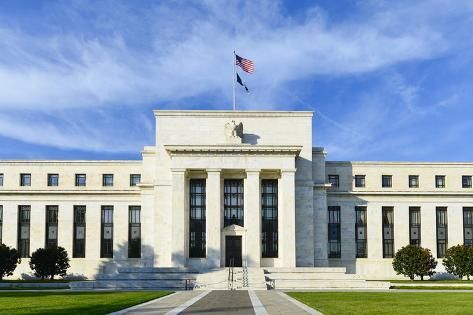
Rates and the RWA Market
The tokenized real-world asset market did not exist at scale before 2022. That means it has only ever operated in one rate environment: one where US Treasury yields were meaningfully positive for the first time in over a decade.
This is not a coincidence. The entire tokenized T-bill category — now the largest segment of the RWA market — is predicated on the existence of real yields in government securities. When rates were near zero, there was no yield to tokenize. The rate environment created the product-market fit.
The Current Environment
As of April 2026, the federal funds rate continues to support T-bill yields in the 4-5% range. The Federal Reserve has signaled a cautious approach to rate cuts, citing persistent services inflation and a resilient labor market.
For the tokenized T-bill market, this environment is constructive. The yield proposition remains strong. Capital continues to flow into tokenized government securities from both institutional allocators and crypto-native wallets seeking stability with yield.
The Rate Cut Scenario
When the Fed eventually cuts rates, the direct impact on tokenized T-bills will be a reduction in yield. A 100 basis point cut would reduce T-bill yields from approximately 4.5% to 3.5% — still meaningfully positive but less compelling.
The more interesting question is how rate cuts affect capital flows within the on-chain ecosystem. Historically, lower rates push capital toward higher-risk, higher-yield assets. In the on-chain capital markets, this would likely accelerate flows into private credit and equity-like products — the sectors that are currently underdeveloped relative to the T-bill category.
Rate cuts could paradoxically accelerate the development of the broader RWA ecosystem by pushing capital beyond T-bills into more complex tokenized products.
Dollar Strength and Global Access
Dollar-denominated RWA products are particularly attractive to non-US investors in periods of dollar strength. When the dollar appreciates against local currencies, holding dollar-denominated yield products provides both the yield and currency appreciation.
This dynamic has contributed to significant non-US wallet adoption of tokenized T-bill products. Terminal One serves wallets globally, and this cross-border demand for dollar-denominated yield is a persistent structural driver of the RWA market.